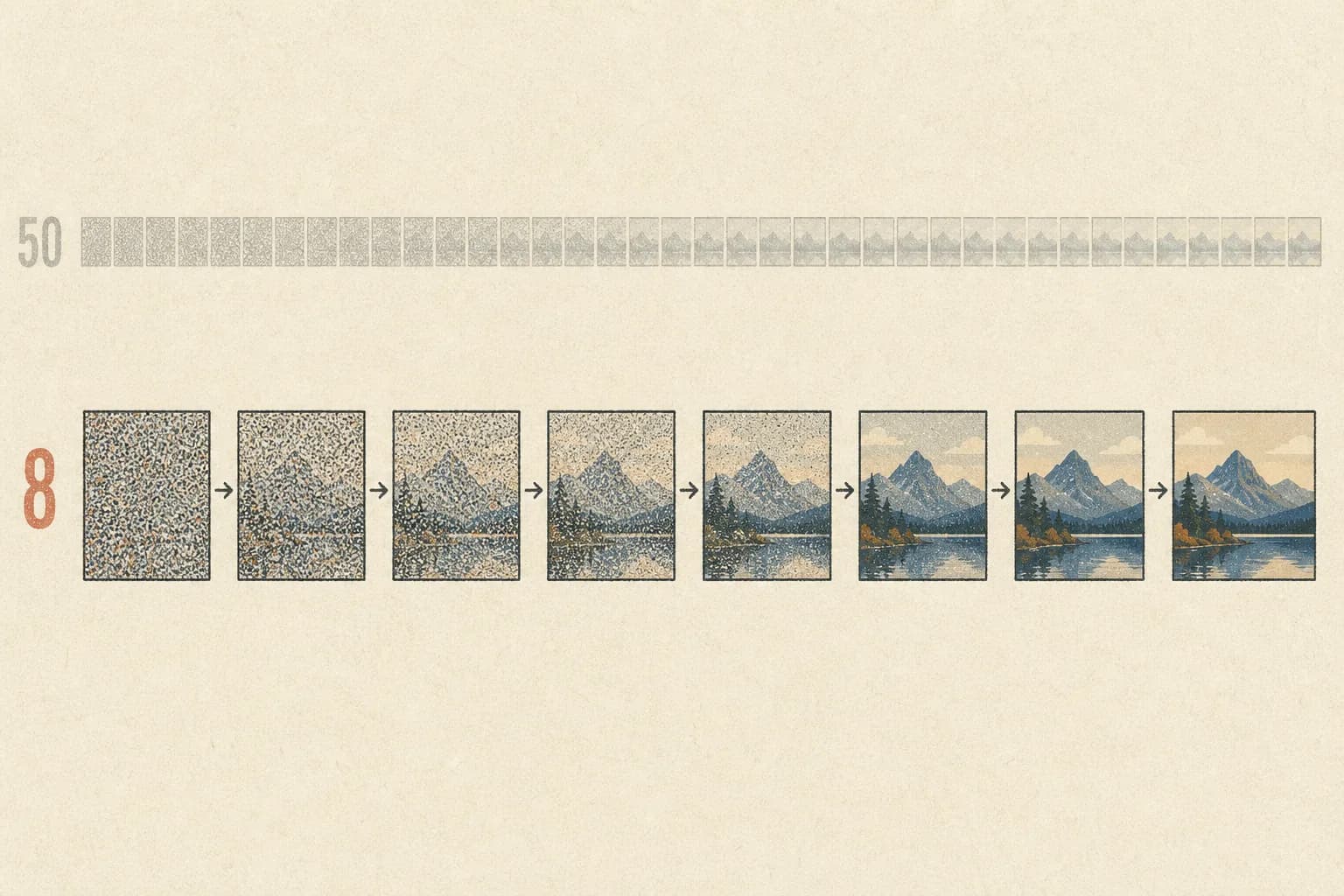
Eight steps, not fifty
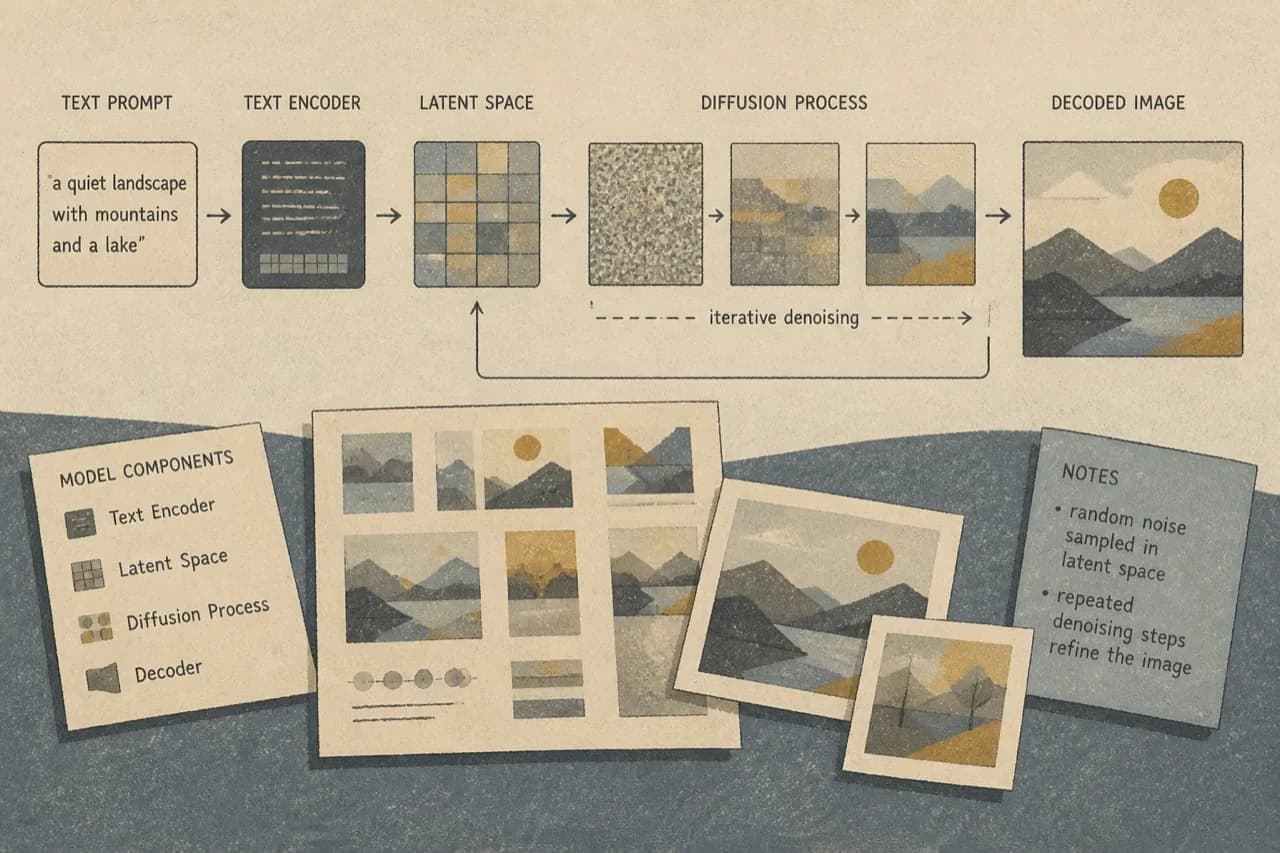
Turbo sampling finishes a frame in about 8 steps instead of the 30 to 50 a normal diffusion model needs. On the same card, that is the difference between waiting and iterating.
- ✓About 8 DiT steps per image
- ✓cfg 1 / guidance_scale=0, no second pass
- ✓Negative prompts are ignored, so write it all positive
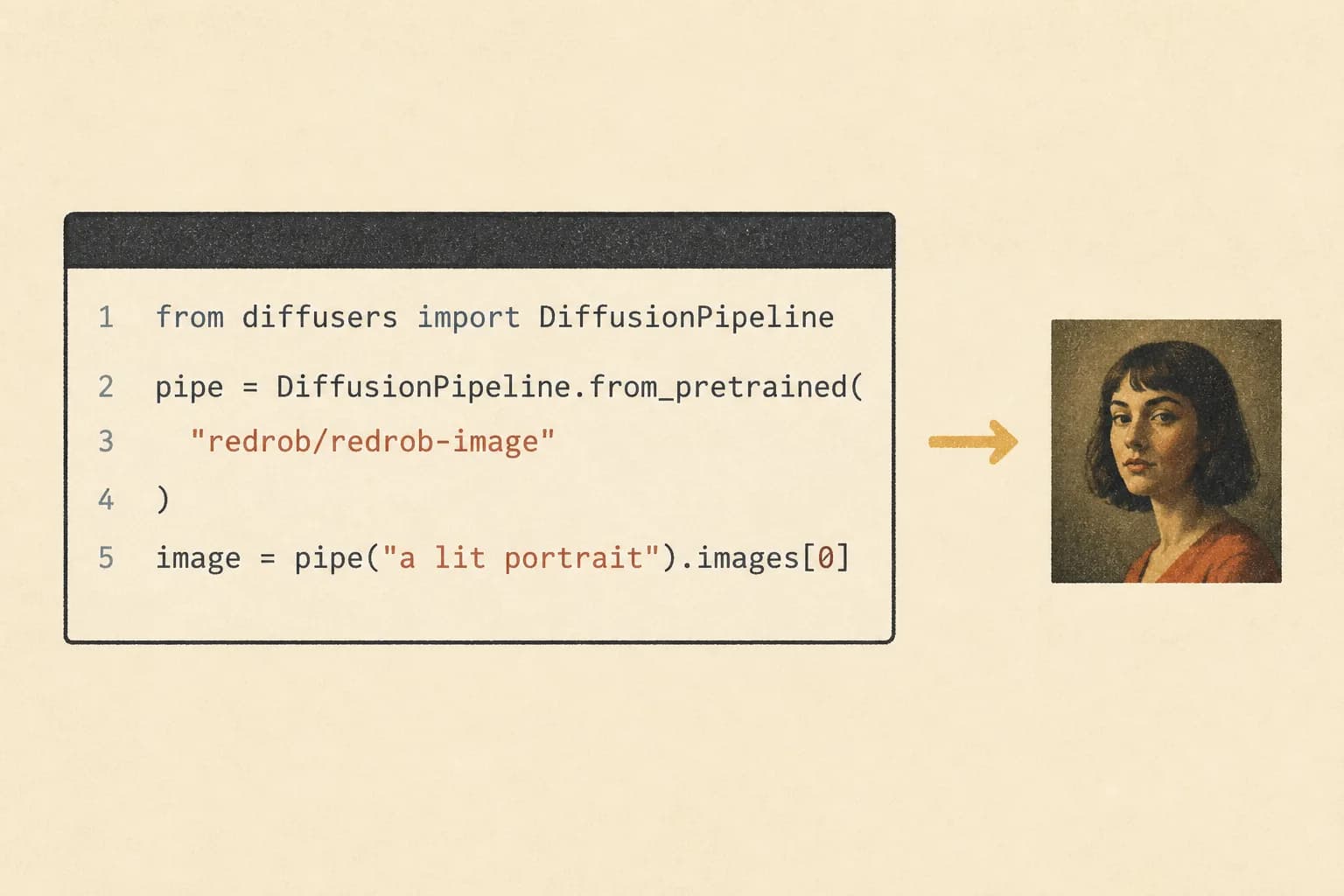
Plain Diffusers code
No custom runtime, no bespoke node graph, no wrapper of ours to learn. pip install diffusers, from_pretrained, and the code you already have keeps working.
- ✓Standard Diffusers pipeline API
- ✓Ships as a single merged UNET
- ✓Nothing to sign up for, no key to fetch
Light enough to sit local
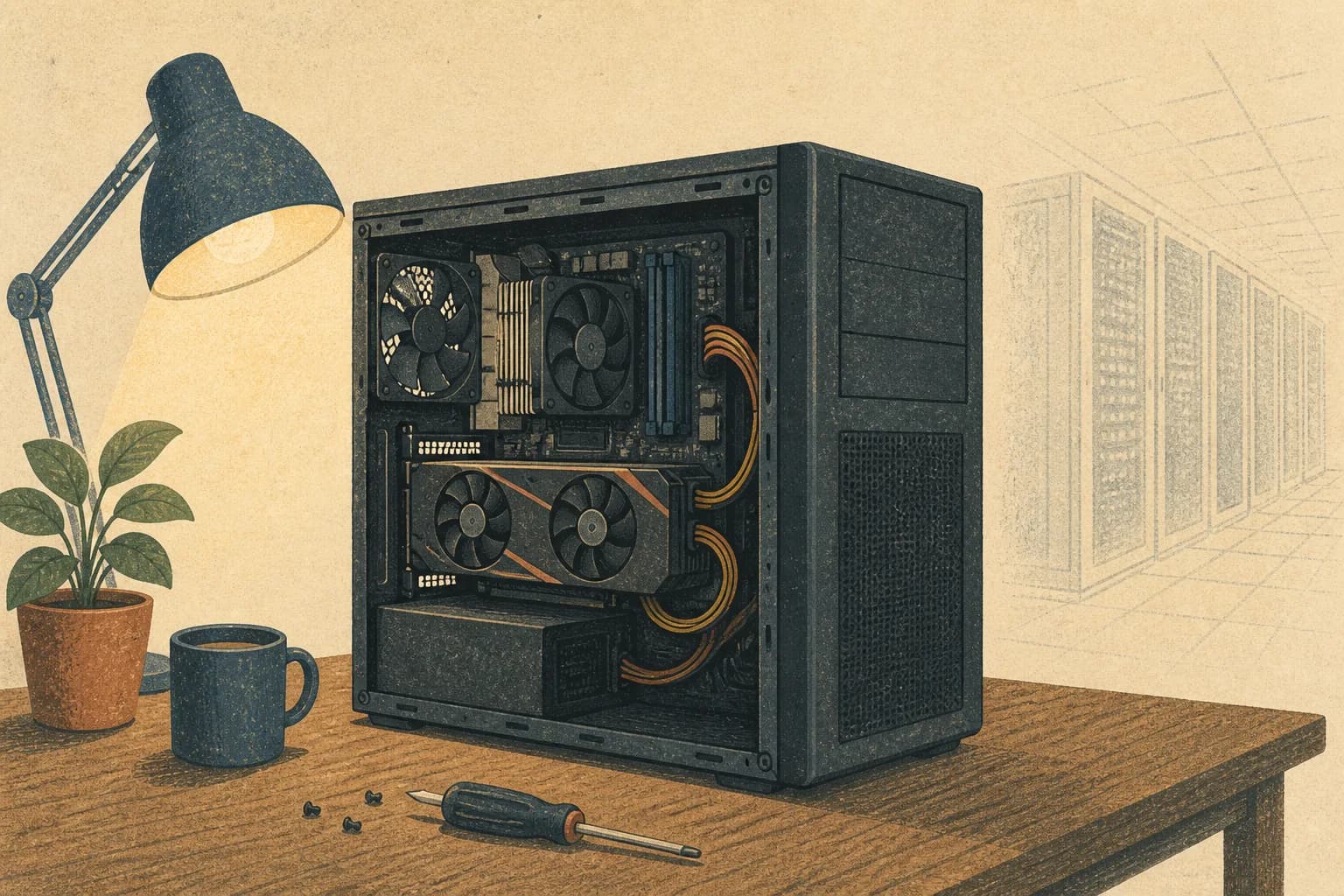
Fewer steps and a single merged UNET mean less memory and less time per image. It is meant for one consumer card, not a rented cluster.
- ✓One consumer GPU is the target, not the fallback
- ✓Prompts and outputs never leave the machine
- ✓No hosted inference in the path
Open all the way down
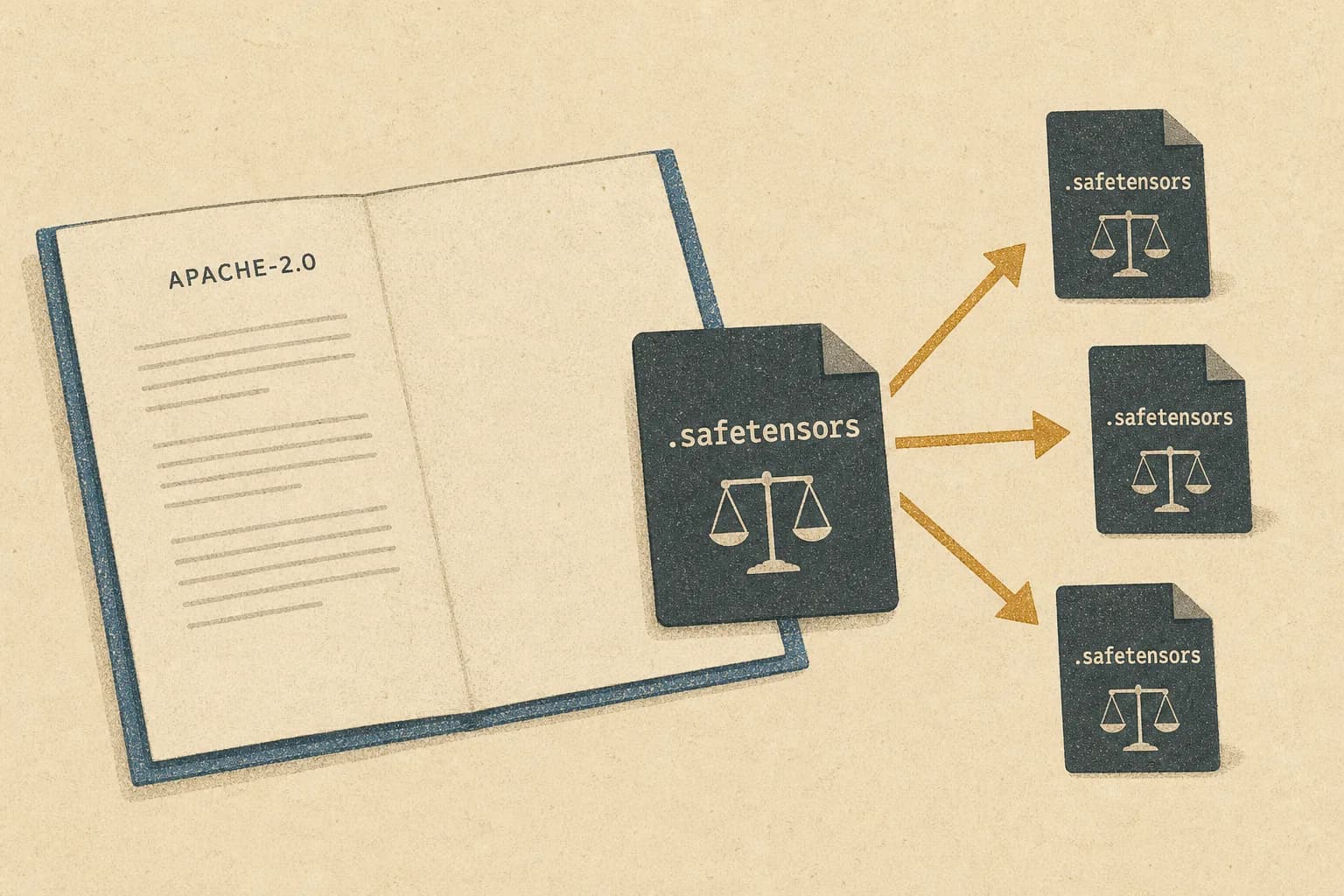
Not open-ish. The weights themselves are Apache-2.0 on Hugging Face, so you can fine-tune them, put them in a product, and redistribute them without asking us.
- ✓Apache-2.0 on the weights, not just the code
- ✓Commercial use and redistribution allowed
- ✓Weights and model card on Hugging Face
Tuned for photo work
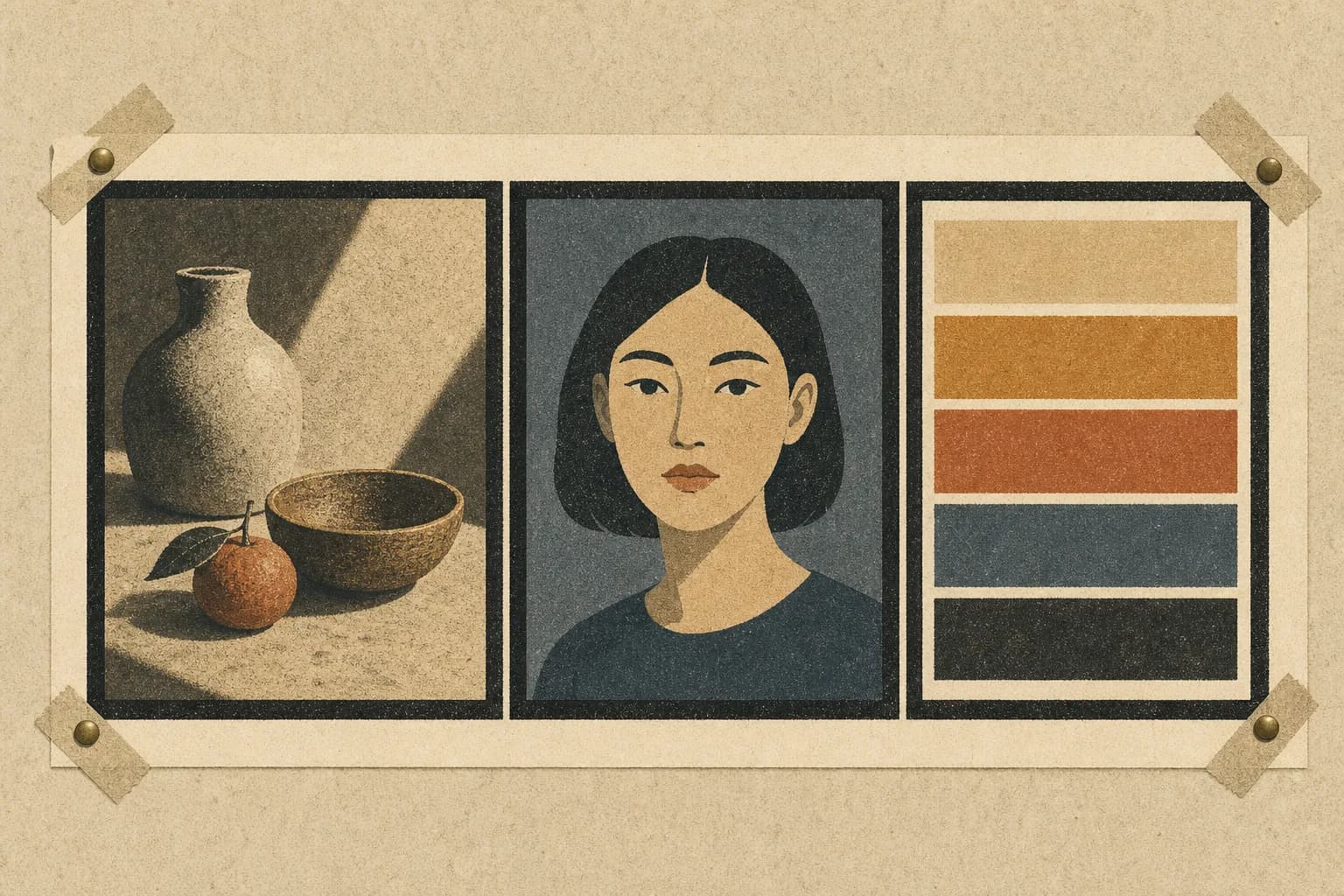
The tuning went into photo, portrait, and mood instead of trying to be even everywhere. Ask it for a lit scene, a face, or a palette and it holds up.
- ✓Photo: light, depth, and material
- ✓Portrait: faces and skin that hold at full size
- ✓Mood: palette and grain you can steer
Where it falls short
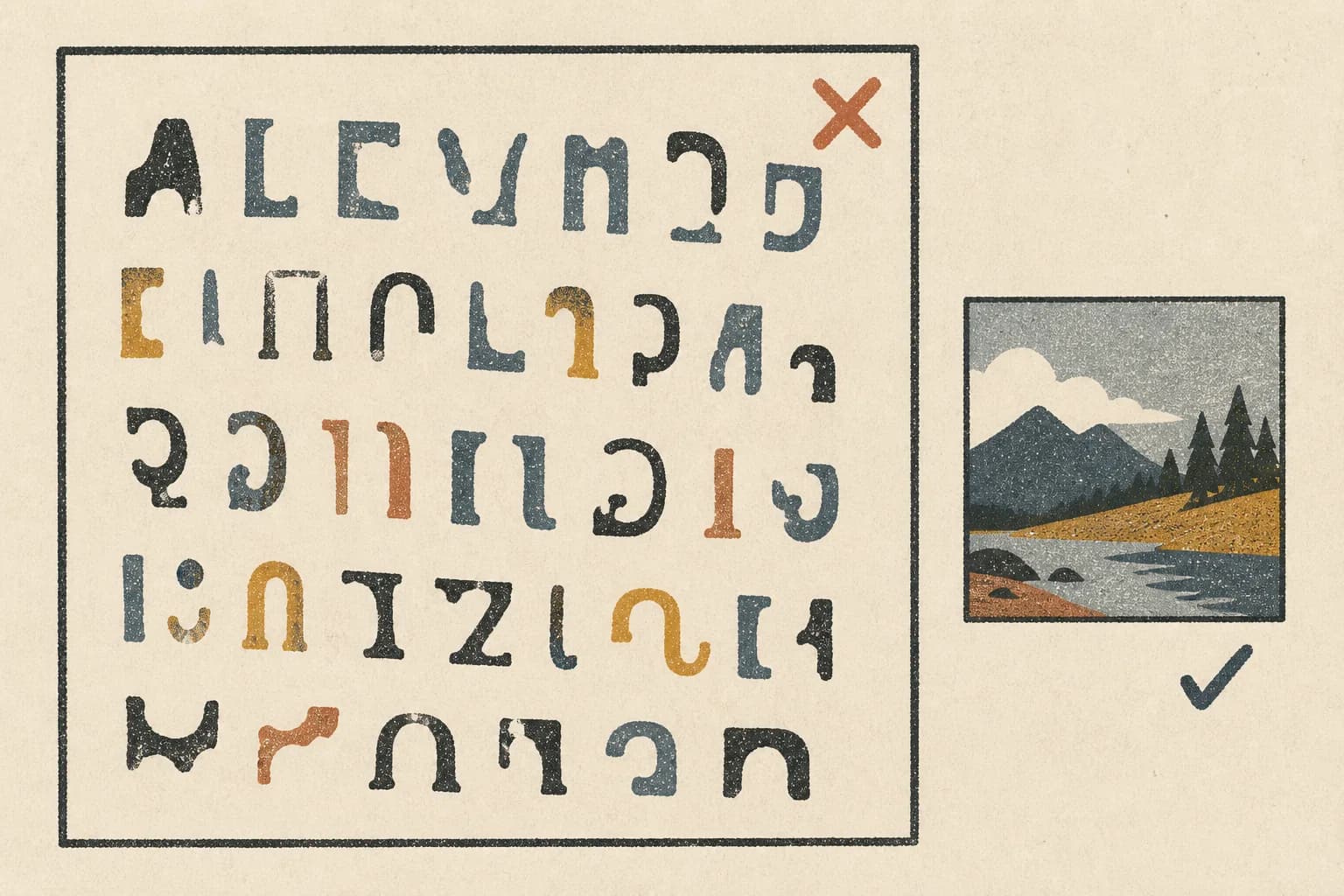
It is weak at legible text. Hangul and most non-Latin scripts come out wrong, and typography-heavy graphic work lands well below the photo and portrait results.
- ✓Hangul and non-Latin text remain a gap
- ✓Typography-heavy graphics are not the strength
- ✓Limits are published, not hidden